Water Heater Repair in Denver, CO — Emergency 24/7
No hot water? Emergency water heater repair 24/7 — tank and tankless repair, same-day replacement available. Licensed plumber on the way fast. Upfront pricing.
Serving homeowners across the USA with ZIP code–based local plumber matching.
📞 (844) 934-4386Click HereTap to call — answered by a live operator, 24/7
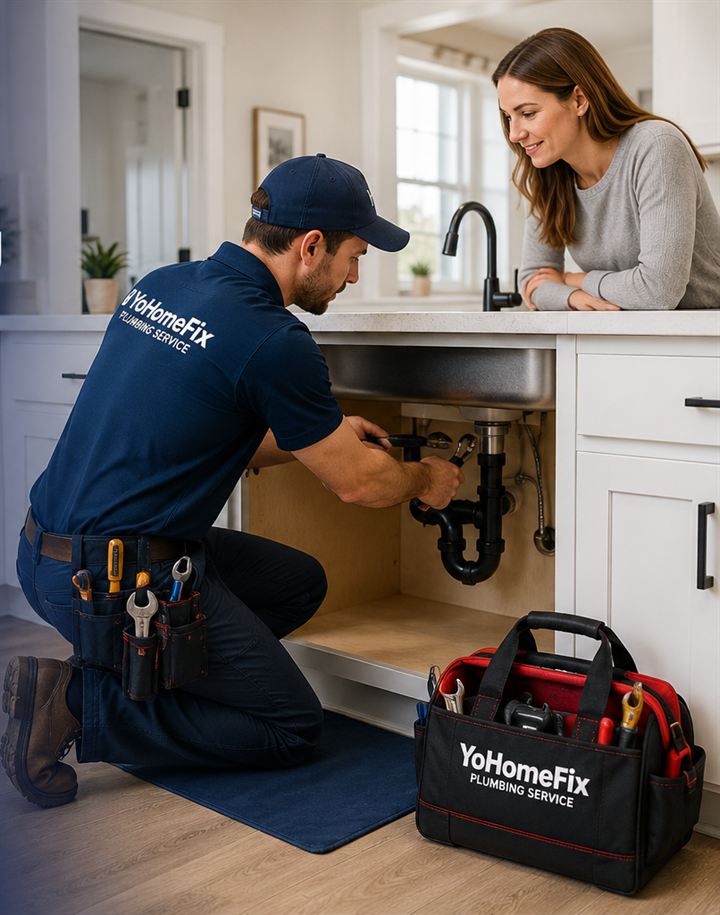
Plumbing Conditions in Denver
Denver's Mile High elevation creates a plumbing environment unlike most US cities: water boils at 202°F instead of 212°F, which affects water heater thermostat calibration and means that sediment settles differently in tank units.
A plumbing emergency in Denver doesn't wait for business hours — and neither do we. The local water utility supplies water to Denver that measures about 71 mg/L — classified as soft. This chemistry is the main reason water heater maintenance in Denver must account for scale and corrosion inside the local pipe material from the local pipe era. For homes with the local pipe material from the local pipe era, water heater maintenance schedules should account for local water hardness and pipe material interaction. This directly influences sediment accumulation rates in tank units. The most commonly diagnosed plumbing issue in Denver is the local dominant failure. This pattern directly influences the water heater failures technicians diagnose most often here. We aim to have a licensed plumber at your Denver door within 60 minutes of your call. Every job begins with a transparent written estimate — you approve the cost before any repair proceeds.
Denver Residents: Your Water Heater Repair Options Explained
From traditional tank units to tankless systems, our Denver water heater specialists diagnose and repair all brands. We stock the most frequently needed parts in every service vehicle, which means most water heater repairs and replacements happen on the first visit. Every CO service call involves a vetted professional — licensed, bonded, and insured for your protection.
- ✓Emergency water heater diagnosis
- ✓All-brand water heater service
- ✓Hybrid heat pump water heater installation
- ✓Expansion tank installation
- ✓Gas line connection for water heaters
- ✓Old unit removal and proper disposal
Denver Homeowners: Watch for These Plumbing Signals
Denver homeowners often wait until a complete failure before calling — but these warning signs indicate your water heater needs attention before you lose hot water entirely:
- ✓No hot water, or water that doesn't reach the expected temperature
- ✓Rusty, discolored, or metallic-smelling water from hot taps only
- ✓Rumbling, popping, or banging sounds during heating cycles
- ✓Water pooling around the base of the tank
- ✓Unit is 10 or more years old and showing performance decline
- ✓Energy bills increasing without changes in usage patterns
Local Plumbing Conditions in Denver
Water heater lifespan in Denver is strongly tied to the water chemistry and the age of the local pipe material from the local pipe era. Scale, sediment, and corrosion patterns vary based on which materials supply the unit and how the water is treated.
Mineral Content, Climate, and Pipe Risk in Denver
The water supplied to Denver by the local water utility measures about the local water hardness — classified as soft. Soft water leaves little protective scale inside pipes, which can make copper and galvanized steel mildly corrosive over time. This chemistry is the main reason water heater maintenance in Denver must account for scale and corrosion inside the local pipe material from the local pipe era.
- ✓Most residential plumbing was installed during the local pipe era
- ✓Common pipe materials include the local pipe material
- ✓Sewer system: the local sewer system
- ✓Infrastructure is generally a mix of older and newer systems
- ✓We serve all Denver zip codes including 80202, 80203, 80209, 80220, and surrounding areas.
Our Promise to Every Denver Customer
When repair is not cost-effective, we offer same-day water heater replacement throughout Denver. Every job begins with a transparent written estimate — you approve the cost before any repair proceeds.
- ✓In-stock units for immediate installation
- ✓Proper sizing based on household demand
- ✓Manufacturer warranty preserved with professional install
- ✓Gas shutoff and reconnection handled safely
- ✓Code-compliant installation throughout
- ✓Final inspection and operational confirmation
Water Heater Maintenance Tips for Denver Homeowners
Annual maintenance extends water heater life by years and improves efficiency.
Emergency Plumber in Denver
Active leak from your water heater? Our 24/7 emergency plumbers stop the leak and prevent water damage fast.
Learn more →Leak Repair in Denver
Suspect a hidden leak near your water heater? We use acoustic and thermal detection to pinpoint it without demolition.
Learn more →Water Heater Repair Help Available Now in Denver
Live operator — no hold music — 60-min response target
Get a Free Quote in Denver
Select your service — a live operator will help you in seconds
No obligation. Upfront pricing before any work begins.
All Plumbing Services in Denver
What Does Water Heater Repair or Replacement Cost?
These ranges are educational estimates for common water heater services. Your actual quote in Denver depends on unit type, size, fuel type, installation complexity, and permit requirements. All pricing is provided in a written upfront quote before work begins.
| Service | Typical Range |
|---|---|
| Diagnostic service call | $75 – $150 |
| Thermostat or heating element replacement | $150 – $350 |
| Anode rod replacement | $150 – $300 |
| Tank water heater replacement (40–50 gal) | $800 – $1,500 |
| Tankless water heater installation | $1,500 – $3,000 |
* Ranges are national estimates for informational purposes only. Actual costs vary by location, scope, and materials. Your technician provides a written upfront quote before any work begins.
Frequently Asked Questions — Water Heater Repair in Denver
Should I repair or replace my water heater?
▼
If the unit is under six years old and the repair cost is less than half the replacement cost, repair is generally the better option.
For units older than ten years showing signs of failure, replacement is usually more cost-effective and reliable over the next decade.
Are tankless water heaters a good choice for Denver homes?
▼
For most Denver homeowners, tankless units offer meaningful advantages: continuous hot water on demand, 20 to 30 percent lower energy consumption than tank units, and a longer service life.
The higher upfront cost is typically recovered in energy savings over five to seven years.
How long should a water heater last in Denver's water conditions?
▼
Standard tank water heaters typically last 8 to 12 years, though water hardness significantly affects this.
In Denver, where water hardness is a factor, units without annual maintenance often show performance decline earlier. Tankless units generally last 15 to 20 years with proper servicing.
Can you replace my water heater the same day in Denver?
▼
In most cases, yes.
We stock commonly used tank and tankless models and can complete same-day installation across Denver. Call in the morning and you'll typically have restored hot water by evening.
Is rusty or discolored hot water dangerous in a Denver home?
▼
Discolored hot water typically indicates an aging anode rod that has failed, allowing the tank lining to corrode.
This is a sign the unit is nearing end of life. Have the unit assessed — if the tank itself is rusting internally, replacement is necessary rather than repair.
Can you service commercial water heaters in Denver?
▼
Yes.
We service commercial tank and tankless water heater systems in Denver, including high-capacity units in restaurants, hotels, office buildings, and multi-unit residential properties.
What brands of water heaters do you install in Denver?
▼
We install and service all major brands, including Rheem, Bradford White, A.
O. Smith, Navien, Rinnai, Noritz, and State. We recommend specific models based on your household size, water hardness, and energy goals rather than brand preference alone.
What causes the rumbling and popping sounds from my water heater in Denver?
▼
Those sounds are almost always sediment — mineral scale that has settled on the bottom of the tank and is being heated unevenly by the burner.
In Denver, where water mineral content varies, this buildup can occur within 18 to 24 months without regular flushing. Annual tank flushing prevents this.
Also Serving Nearby Cities
YoHomeFix provides licensed plumbers across the wider CO region. Select a nearby city for local service details.
Colorado Springs, CO
Looking for plumbers across CO? View all CO emergency plumbers and services
See all Water Heater Repair providers across CO: Water Heater Repair in CO — city-by-city directory
Why Homeowners Choose Us
What sets YoHomeFix apart.
Fast Response
When you call, a live operator sends the nearest available plumber — no hold queues, no callbacks.
Verified Professionals
Every plumber holds a valid state license and carries liability insurance. Credentials are verified before any plumber begins working with us.
Tank & Tankless Expertise
Diagnose and repair both traditional tank and tankless water heaters. Same-day replacement available when repair is not viable.
Local Knowledge
Your call goes to a plumber who works in your area and understands local infrastructure, codes, and water conditions.
⚠️Warning Signs Your Water Heater Needs Repair in Denver
Water heaters in Denver fail gradually before they stop completely. Water in Denver from the local water utility measures about the local water hardness — classified as soft, so corrosion of metal components can be a bigger concern than scale. Watch for these signals:
- No hot water or water that never reaches the set temperature
- Rusty, cloudy, or metallic-smelling hot water from taps
- Rumbling, popping, or banging sounds during heating cycles
- Water pooling under or around the base of the tank
- Temperature and pressure relief valve dripping or discharging
- Unit is 10 or more years old with declining performance
- Fluctuating water temperature during showers or dishwashing
- Error codes, reduced flow, or no ignition on tankless units
📞When to Call for Water Heater Repair in Denver
Call for a licensed plumber in Denver when the problem affects safety, comfort, or risks water damage. In CO, these situations should not wait:
- The tank is leaking or you see water under the unit
- You have no hot water and the unit has power or gas supply
- You smell gas near a gas water heater
- Hot water is discolored but cold water runs clear
- The unit is making loud rumbling or popping sounds
- The TPR valve is discharging water continuously
- A tankless unit shows an error code or fails to ignite
- Water pressure drops only on hot water taps
🛡️Immediate Safety Steps for a Failing Water Heater in Denver
If your water heater is leaking, overheating, or making alarming noises, take these steps before the plumber arrives in Denver:
- Turn off the gas supply valve for gas units, or flip the breaker for electric units
- Shut the cold water supply valve above the tank
- Open a nearby hot water tap to relieve pressure in the tank
- Turn off electricity to the area if water is spreading toward outlets
- Do not drain the tank unless you are confident in the procedure and have a safe drain path
- Keep the area ventilated for gas units and leave the home if you smell gas
🚫Water Heater Repairs You Should Not DIY in Denver
Water heaters combine water, pressure, gas, and electricity. In Denver homes with copper supply lines, cast iron in older drains, PEX in new construction plumbing, these repairs should be handled by a licensed pro:
- Replacing or adjusting the gas control valve or pilot assembly
- Wiring or resetting thermostats and electrical heating elements
- Replacing the temperature and pressure relief valve
- Removing the anode rod or accessing the tank interior
- Removing, disposing of, or installing a full water heater
- Modifying venting, expansion tanks, or gas line connections
🔧What Happens During a Water Heater Repair in Denver
A Denver water heater repair visit is structured to diagnose accurately and avoid unnecessary replacement:
- Inspect the tank, connections, valves, venting, and fuel supply
- Test electrical elements, gas burner, thermostat, and TPR valve
- Identify whether the issue is a failed component, sediment, or tank failure
- Provide a written quote for repair or replacement with clear options
- Replace or repair the approved component using proper parts
- Test operation, check for leaks, and verify safe venting and pressure
- Clean the area and leave disposal and care instructions
⏱️Typical Timeline for Water Heater Repairs in Denver
Most water heater repairs in Denver are completed in a single visit, though larger jobs can extend into the next day:
- Diagnosis takes 30 to 60 minutes depending on unit type
- Thermostat, element, or anode rod replacement typically takes 1 to 2 hours
- Tank flushing and descaling takes 1 to 2 hours
- Tank water heater replacement takes 2 to 5 hours including removal and testing
- Permit inspections or gas line upgrades may add a day in CO
- Tankless descaling and calibration takes 1 to 2 hours
💰What Affects Water Heater Repair or Replacement Cost in Denver
The cost of a water heater repair in Denver depends on the unit, fuel type, and installation conditions — not just the part being replaced:
- Fuel type — gas, electric, or tankless — and venting requirements
- Tank capacity and whether the current size meets household demand
- Unit location and access, including attic, garage, or closet installations
- Need for electrical, gas line, or venting upgrades to meet current code
- Permit requirements in CO for replacement or gas work
- Disposal of the old unit and any water damage cleanup
- Local water hardness and scale buildup that may require additional cleaning
✅Water Heater Maintenance for Denver Homes
Water in Denver from the local water utility measures about the local water hardness — classified as soft, so corrosion of metal components can be a bigger concern than scale. Regular maintenance extends the life of your water heater and reduces emergency calls in Denver:
- Flush the tank at least once a year — twice a year if water is very hard
- Inspect the anode rod every 3 to 5 years and replace when depleted
- Test the temperature and pressure relief valve annually
- Set the thermostat to 120°F for safety and efficiency
- Check under and around the unit monthly for moisture or rust
- Consider a water softener or descaling schedule if scale is a recurring issue
- Insulate the first few feet of hot and cold pipes if Denver sees occasional freezes
Helpful Plumbing Guides for Denver
Planning ahead? Read the national plumbing cost guide to understand typical pricing before you call.
Related Pages
Denver overview
More in CO
Other services in Denver
Same service in nearby cities
Popular Service Areas
✓ Editorial Review
This city page was reviewed by the YoHomeFix editorial team. Last updated: .
Sources referenced: 6 authoritative organizations. See Sources & Methodology.
Sources
This page is based on information from the following authoritative organizations. For localized data, we also reference municipal water utilities and state licensing boards.
See our full Sources & Methodology for methodology and additional references.
Local data for Denver, CO is synthesized from public records where available.
Areas We Serve in Denver
34 ZIP Code areas in Denver, CO. Select your ZIP for local plumbing service.
Review Process
Content is reviewed against current plumbing industry standards and local infrastructure data. Service pages are built from verified municipal water utility, geological, and climate data.Read our editorial standards.
Accuracy & Disclosures
Local data is sourced from verified municipal and geological records. Pricing shown is for educational purposes only; your technician provides a written upfront quote before any work begins. YoHomeFix provides plumbing services across the United States.
Content is researched from authoritative public sources and reviewed for accuracy. Pricing and availability are confirmed by the technician on site.
Review history
- Published review and accuracy check — YoHomeFix Editorial Team
Ready for Fast, Reliable Help in Denver?
Licensed plumbers available right now. Upfront pricing before any work begins.
📞 (844) 934-4386Click HereSame-day and 24/7 emergency services are subject to provider participation, location, technician availability, and demand. Availability is not guaranteed and may vary by market and appointment capacity.