Emergency Plumber in San Francisco, CA — Leak Repair
Licensed plumber on the way fast. We aim for 60-minute response. Upfront pricing before any work begins.
Serving homeowners across the USA with ZIP code–based local plumber matching.
📞 (844) 934-4386Click HereTap to call — answered by a live operator, 24/7
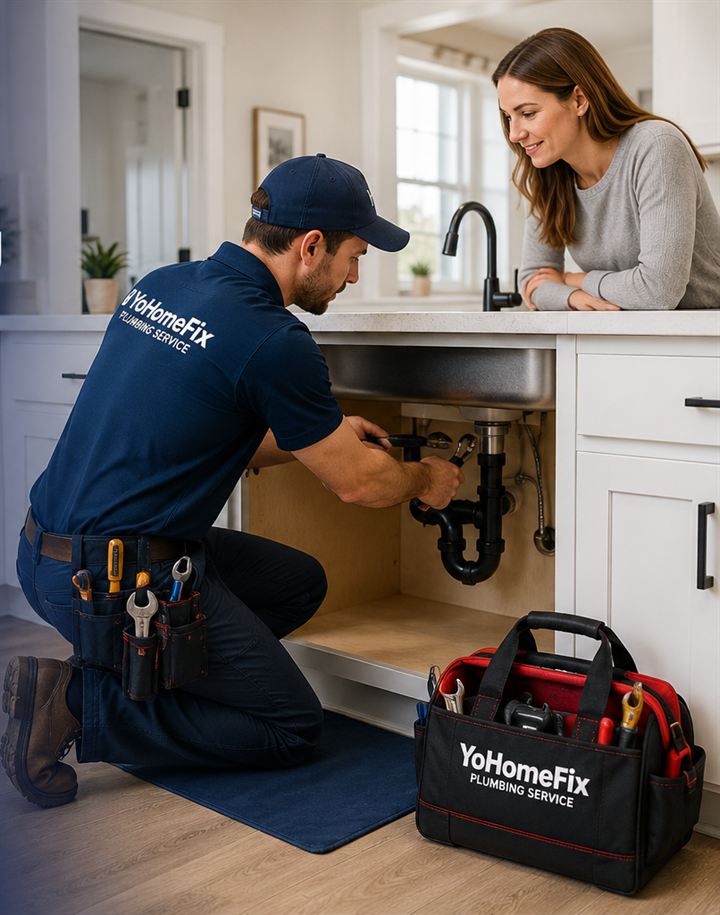
Plumbing Conditions in San Francisco
San Francisco's Victorian housing stock — the Painted Ladies and Edwardian buildings that define neighborhoods like the Haight, Alamo Square, and the Inner Sunset — were plumbed with galvanized steel and in some cases lead pipe during their original construction between 1880 and 1915.
Located in the central region, covering about 46.7 square miles, near Mill Valley, Fairfax Ca, Ross and other surrounding communities. For San Francisco residents dealing with an urgent plumbing problem, speed and reliability are everything. The local water utility supplies water to San Francisco that is generally in the soft range. This chemistry directly affects how the local pipe material from the local pipe era develop the leaks we trace in San Francisco. The local soil type in San Francisco adds a geological dimension to leak risk. Ground movement during seasonal moisture cycles places repeated stress on copper supply lines with older galvanized steel sections connections at depths where visual inspection is impossible without camera equipment. Plumbers throughout the CA region most frequently diagnose the local dominant failure. This pattern guides how San Francisco leak detection teams narrow down potential sources of hidden moisture. Before touching anything, your technician provides a complete cost estimate for your review and approval.
How We Handle Leak Repair Calls in San Francisco
Leak detection in San Francisco requires the right equipment and local experience. Our plumbers use acoustic listening devices and thermal imaging to pinpoint leaks behind walls, under slabs, and inside pipe runs — minimizing demolition and repair costs. All plumbers serving CA are fully licensed, insured, and background-checked.
- ✓Non-invasive leak location
- ✓Copper and PEX pipe leak repair
- ✓Foundation slab leak repair
- ✓Sink and toilet base leak repair
- ✓Underground supply line repair
- ✓Water meter leak investigation
Signs Your San Francisco Plumbing Needs Attention Now
Many leaks in San Francisco homes go undetected for months, quietly raising water bills and damaging structural materials. Many homes here have copper supply lines with older galvanized steel sections installed during the local pipe era, making these warning signs especially important:
- ✓Unexplained increase in your water bill
- ✓Sound of running water when all taps and fixtures are off
- ✓Wet spots, staining, bubbling, or warped walls and ceilings
- ✓Reduced water pressure throughout the home
- ✓Mold, mildew smell, or discoloration near walls or floors
- ✓Warm patches on the floor (possible slab leak indicator)
The Infrastructure Reality for San Francisco Homeowners
Leaks in San Francisco develop where the local pipe material from the local pipe era meet the local water chemistry and shifting the local soil type. These conditions make pinhole corrosion, joint separation, and slab moisture the patterns our leak detection team traces most often.
Local Water Chemistry and Pipe Health in San Francisco
The water supplied to San Francisco by the local water utility is generally in the soft range. Soft water leaves little protective scale inside pipes, which can make copper and galvanized steel mildly corrosive over time. For leak repair, this chemistry is important because it determines whether scale, corrosion, or pressure is the primary driver in the local pipe material from the local pipe era. The local soil type adds further stress to buried and slab-adjacent joints.
- ✓Most residential plumbing was installed during the local pipe era
- ✓Common pipe materials include the local pipe material
- ✓Sewer system: the local sewer system
- ✓Infrastructure is generally older and may require more frequent maintenance
- ✓We serve throughout the San Francisco metro and surrounding communities.
How We Earn Trust in San Francisco
All plumbers serving CA are fully licensed, insured, and background-checked. Before touching anything, your technician provides a complete cost estimate for your review and approval. Speed matters in a San Francisco plumbing emergency — we work to have someone at your door as fast as possible.
- ✓Thorough inspection of water meter, fixtures, and visible pipes
- ✓Acoustic listening for hidden pipe movement
- ✓Exact leak source identified and confirmed
- ✓Repair options explained with transparent pricing
- ✓Pipe repaired and flow tested
- ✓Follow-up check available on request
Leak Prevention Tips for San Francisco Homeowners
Small leaks waste thousands of gallons per year and cause hidden structural damage. Catching them early is the most cost-effective maintenance step.
Emergency Plumber in San Francisco
Active flooding from a burst pipe? Our 24 hour plumbers are on the way immediately — transparent pricing from participating providers.
Learn more →Drain Service in San Francisco
Slow drains alongside a leak? We clear blockages and inspect for related pipe damage in one visit.
Learn more →Leak Repair Help Available Now in San Francisco
Live operator — no hold music — 60-min response target
Get a Free Quote in San Francisco
Select your service — a live operator will help you in seconds
No obligation. Upfront pricing before any work begins.
All Plumbing Services in San Francisco
What Does Leak Detection and Repair Cost?
These ranges reflect typical costs for leak services and are intended as educational guidance only. Your actual quote in San Francisco depends on leak location, pipe material, access difficulty, and required repair method. You receive a written upfront quote before any work begins.
| Service | Typical Range |
|---|---|
| Acoustic/thermal leak detection | $150 – $400 |
| Pinhole leak repair (copper pipe) | $150 – $350 |
| Supply line replacement (under sink) | $100 – $200 |
| Slab leak detection + epoxy lining | $500 – $1,500 |
| Whole-house pressure test | $100 – $200 |
* Ranges are national estimates for informational purposes only. Actual costs vary by location, scope, and materials. Your technician provides a written upfront quote before any work begins.
Frequently Asked Questions — Leak Repair in San Francisco
Do you fix leaks in commercial properties in San Francisco?
▼
Yes.
We service both residential and commercial properties in San Francisco, including office buildings, retail spaces, restaurants, and multi-unit residential buildings.
What technology do you use to find hidden leaks in San Francisco homes?
▼
We use acoustic listening devices, thermal imaging cameras, and pressure testing to locate leaks precisely without unnecessary demolition.
The goal is to find the source before opening any walls or floors.
Can a small leak wait, or should I call immediately?
▼
Even a slow drip inside a wall can cause mold growth, structural wood rot, and ceiling damage within weeks.
In San Francisco's climate conditions, moisture-related damage progresses faster than many homeowners expect. Early detection saves significantly on repair costs.
Will you repair the wall or floor after fixing a pipe leak in San Francisco?
▼
Our plumbers complete the pipe repair and seal any access points.
Drywall patching and finish work are typically handled by a separate contractor, which we can refer you to. We'll discuss what's needed during the assessment.
How do I know if I have a hidden pipe leak in my San Francisco home?
▼
Common indicators include an unexplained increase in your water bill, the sound of running water when all fixtures are off, damp or discolored patches on walls or ceilings, and reduced water pressure.
A professional leak detection assessment can confirm whether a hidden leak is present.
Can you fix a slab leak without breaking my entire floor in San Francisco?
▼
In many cases, yes.
We use trenchless pipe lining and epoxy injection techniques that allow slab leaks to be repaired with minimal floor disruption. The appropriate method depends on the leak location and pipe condition, which we assess before recommending a repair approach.
How much does leak detection and repair cost in San Francisco?
▼
Cost depends on the leak type and location.
A simple faucet or fixture repair is typically a few hundred dollars. Slab leaks or wall leaks requiring pipe rerouting can range from several hundred to a few thousand dollars. We provide a full written estimate before any work begins.
How quickly can you respond to a suspected leak in San Francisco?
▼
For active leaks causing water damage, we respond within the same response window as any emergency.
For suspected hidden leaks without active flooding, we offer same-day and next-day assessment appointments throughout San Francisco.
Also Serving Nearby Cities
YoHomeFix provides licensed plumbers across the wider CA region. Select a nearby city for local service details.
San Jose, CA
Los Angeles, CA
San Diego, CA
Looking for plumbers across CA? View all CA emergency plumbers and services
See all Leak Repair providers across CA: Leak Repair in CA — city-by-city directory
Why Homeowners Choose Us
What sets YoHomeFix apart.
Fast Response
When you call, a live operator sends the nearest available plumber — no hold queues, no callbacks.
Verified Professionals
Every plumber holds a valid state license and carries liability insurance. Credentials are verified before any plumber begins working with us.
Precision Leak Detection
Acoustic listening devices, thermal imaging, and pressure testing locate leaks precisely — minimizing unnecessary wall or floor opening.
Local Knowledge
Your call goes to a plumber who works in your area and understands local infrastructure, codes, and water conditions.
⚠️Warning Signs of a Hidden or Active Leak in San Francisco
Leaks in San Francisco homes often start small and worsen over days or weeks. Water supplied by the local water utility in the CA region contributes to gradual joint and fitting wear. Look for these indicators:
- Water bill increases without a change in usage habits
- Damp or discolored patches on walls, ceilings, or baseboards
- Musty or moldy odors in specific rooms or cabinets
- Sound of running water when all fixtures are off
- Warm spots on flooring, which may indicate a hot water line leak
- Low water pressure at one or more fixtures
- Cracks in walls or foundation that appear or grow over time
- Pooled water near the water heater, under sinks, or around appliances
📞When to Call a Plumber for Leak Repair in San Francisco
Call a licensed plumber in San Francisco when you suspect or confirm a leak that is not easily stopped at a fixture:
- You hear water running but cannot identify the source
- A wall or ceiling is damp, bulging, or showing signs of mold
- Your water bill has spiked unexpectedly
- Water pressure has dropped at multiple fixtures
- You see visible water damage or staining that is spreading
- A leak is behind a wall, under a slab, or in a crawl space
- A fixture shutoff does not stop the leak
- You suspect a slab leak — warm floors, foundation cracks, or unexplained moisture
🛡️Immediate Steps When You Discover a Leak in San Francisco
While waiting for a plumber in San Francisco, take these steps to limit damage:
- Shut the nearest fixture shutoff valve if the leak is at a fixture
- If the source is unknown, shut the main water valve
- Turn off electricity to affected areas at the breaker if water is near wiring
- Move furniture and belongings away from the wet area
- Place buckets or towels to contain dripping water
- Take photos of the damage for insurance purposes
- Do not cut into walls or ceilings yourself if electrical wiring may be present
- Note the time you first noticed the leak for your insurance claim
🚫Leak Repairs You Should Not Attempt in San Francisco
Some leak repairs appear straightforward but carry hidden risks in San Francisco homes with the local pipe material:
- Cutting into walls or ceilings to find a leak without verifying electrical locations
- Using epoxy putty or pipe wrap as a permanent repair on pressurized lines
- Tightening a corroded fitting that may crack or shear off
- Attempting to access a slab leak by breaking through concrete yourself
- Repairing a leak on the main supply line without proper tools or shutoff access
- Ignoring a small leak because it seems minor — hidden moisture causes structural damage
🔧What Happens During a Leak Repair Visit in San Francisco
A professional leak repair in San Francisco follows a diagnostic-first process to avoid unnecessary demolition:
- The plumber listens to your description and inspects the visible signs
- Diagnostic tools such as acoustic listening devices, moisture meters, or thermal imaging may be used
- The leak is pinpointed before any wall, ceiling, or floor is opened
- You receive a written quote with the repair approach and scope
- The approved repair is performed with appropriate materials for lead, galvanized, and early copper in pre-war Victorians systems
- The system is pressurized and tested to confirm the repair holds
- The work area is cleaned and the access point is documented for patching
⏱️Typical Timeline for Leak Repairs in San Francisco
Leak repair timelines in San Francisco vary depending on the leak location and access:
- Initial inspection and leak detection takes 30 to 90 minutes
- Accessible fixture leaks are often repaired in under an hour
- Behind-wall leaks typically take 1 to 3 hours including access and repair
- Slab leak diagnosis may take 2 to 4 hours with specialized equipment
- Slab leak repair can take a full day depending on the reroute or tunneling approach
- Final testing and cleanup add 30 to 60 minutes
💰What Affects the Cost of Leak Repair in San Francisco
The cost of leak repair in San Francisco depends on where the leak is and what is required to reach and fix it:
- Leak location — a visible under-sink leak costs less than a slab or behind-wall leak
- Diagnostic method — acoustic, thermal, or pressure testing may be needed
- Access requirements — opening walls, ceilings, or floors adds labor time
- Pipe material and condition — older lead, galvanized, and early copper in pre-war Victorians may require section replacement
- Whether a localized repair or a longer section replacement is recommended
- Restoration work such as drywall patching or floor repair after the plumbing fix
- Emergency or after-hours service timing
✅Preventing Leaks in San Francisco Homes
Most leaks in San Francisco can be prevented or caught early with routine attention. Water supplied by the local water utility in the CA region contributes to gradual joint and fitting wear.
- Check under sinks and around appliances monthly for moisture
- Inspect visible pipes for corrosion, mineral buildup, or green patina on copper
- Monitor your water bill for unexplained increases
- Replace washing machine hoses every 5 years with stainless steel braided hoses
- Schedule a plumbing inspection every 1 to 2 years, especially for homes built in the local pipe era
- Test your main shutoff valve annually to ensure it operates freely
- Watch for warm spots on floors that may indicate a hot water line leak under a slab
- Address minor drips promptly before they worsen
Helpful Plumbing Guides for San Francisco
Planning ahead? Read the national plumbing cost guide to understand typical pricing before you call.
Related Pages
San Francisco overview
More in CA
Other services in San Francisco
Same service in nearby cities
Popular Service Areas
✓ Editorial Review
This city page was reviewed by the YoHomeFix editorial team. Last updated: .
Sources referenced: 6 authoritative organizations. See Sources & Methodology.
Sources
This page is based on information from the following authoritative organizations. For localized data, we also reference municipal water utilities and state licensing boards.
See our full Sources & Methodology for methodology and additional references.
Local data for San Francisco, CA is synthesized from public records where available.
Areas We Serve in San Francisco
28 ZIP Code areas in San Francisco, CA. Select your ZIP for local plumbing service.
Review Process
Content is reviewed against current plumbing industry standards and local infrastructure data. Service pages are built from verified municipal water utility, geological, and climate data.Read our editorial standards.
Accuracy & Disclosures
Local data is sourced from verified municipal and geological records. Pricing shown is for educational purposes only; your technician provides a written upfront quote before any work begins. YoHomeFix provides plumbing services across the United States.
Content is researched from authoritative public sources and reviewed for accuracy. Pricing and availability are confirmed by the technician on site.
Review history
- Published review and accuracy check — YoHomeFix Editorial Team
Ready for Fast, Reliable Help in San Francisco?
Licensed plumbers available right now. Upfront pricing before any work begins.
📞 (844) 934-4386Click HereSame-day and 24/7 emergency services are subject to provider participation, location, technician availability, and demand. Availability is not guaranteed and may vary by market and appointment capacity.