Emergency Plumber in Cincinnati, OH — Sewer Line
Licensed plumber on the way fast. We aim for 60-minute response. Upfront pricing before any work begins.
Serving homeowners across the USA with ZIP code–based local plumber matching.
📞 (844) 934-4386Click HereTap to call — answered by a live operator, 24/7
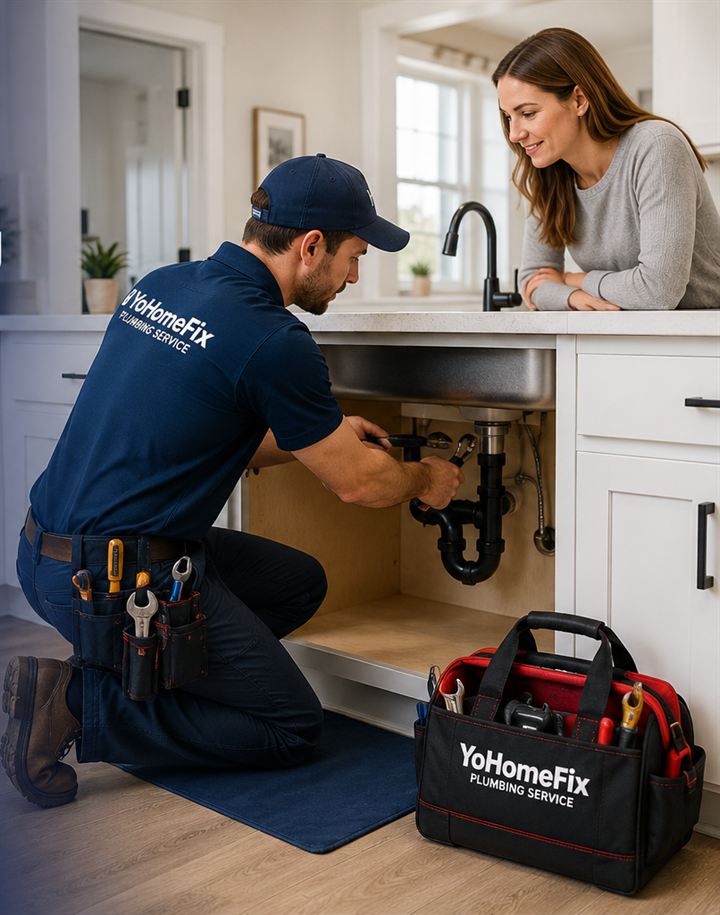
Plumbing Conditions in Cincinnati
Cincinnati's historic Over-The-Rhine neighborhood — one of the largest intact 19th-century urban neighborhoods in the United States — contains hundreds of buildings whose plumbing predates the widespread adoption of copper pipe, relying instead on galvanized steel supply lines that have been corroding from the inside since their installation in the late 1800s and early 1900s.
Cincinnati homes face specific plumbing vulnerabilities — fast response is the first line of defense. The local sewer system in Cincinnati serves neighborhoods where the local pipe material was commonly installed during the local pipe era. The local soil type directly affects sewer line longevity, with soil movement and tree root activity being primary causes of lateral damage in this area. Local service calls in Cincinnati most often trace back to the local dominant failure. Our Cincinnati sewer line team uses this pattern to guide diagnostic priorities during inspections. For emergencies in Cincinnati, a plumber is typically on the way within five minutes of your call. You receive a clear quote before any work begins — no surprise charges at the end of the job.
Professional Sewer Line Repair Across Cincinnati
From recurring backups to complete sewer line failure, our Cincinnati technicians diagnose the issue with video camera inspection before recommending repair or replacement. We work with the local sewer system and local soil conditions to determine the most effective approach. Every plumber we work with in OH is licensed, insured, and independently verified.
- ✓Main sewer line repair and replacement
- ✓Sewer camera inspection and diagnosis
- ✓Trenchless pipe relining
- ✓Root removal and pipe clearing
- ✓Sewer backup emergency response
- ✓Bellied pipe correction
Why Cincinnati Has Specific Plumbing Challenges
Sewer line damage in Cincinnati is driven by the local sewer system aging alongside the local pipe material from the local pipe era in the local soil type. Ground movement, root intrusion, and seasonal saturation all stress the buried line between the home and the main.
The Water Behind Cincinnati's Plumbing Challenges
The water and waste in Cincinnati flow through the local sewer system and are affected by the local soil type. The supply water from the local water utility measures about 149 mg/L — classified as moderately hard. Moderately hard water deposits scale slowly and is usually manageable with routine maintenance. This chemistry and the surrounding soil combine to create the root intrusion, corrosion, and ground-movement damage that sewer repair addresses.
- ✓Most residential plumbing was installed during the local pipe era
- ✓Common pipe materials include the local pipe material
- ✓Sewer system: the local sewer system
- ✓Infrastructure is generally older and may require more frequent maintenance
- ✓We serve all Cincinnati zip codes including 45202, 45203, 45206, 45211, and surrounding areas.
What Cincinnati Expects — and What We Deliver
Every plumber we work with in OH is licensed, insured, and independently verified. You receive a clear quote before any work begins — no surprise charges at the end of the job. For emergencies in Cincinnati, a plumber is typically on the way within five minutes of your call.
- ✓Licensed and insured in OH
- ✓Sewer camera inspection technology
- ✓Trenchless repair options when possible
- ✓Upfront pricing with detailed estimates
- ✓Emergency sewer backup response
- ✓Complete project documentation
Getting Help in Cincinnati: Step by Step
Sewer line repair in Cincinnati begins with accurate diagnosis. We don't guess at the problem — we use camera inspection to see inside your sewer line and pinpoint the exact location and nature of the damage.
- ✓Sewer line assessment
- ✓Repair plan and cost estimate
- ✓Permit and utility coordination if needed
- ✓Repair execution with minimal disruption
- ✓Final inspection and cleanup
- ✓Warranty documentation
Sewer Line Care Tips for Cincinnati Homeowners
Proactive sewer maintenance prevents backups and expensive emergency repairs.
Emergency Drain Service in Cincinnati
Need immediate clearing? Our hydro-jetting and snaking service clears blocked sewer lines fast — 24/7.
Learn more →Emergency Plumber in Cincinnati
Sewage backing up? Our emergency plumbers respond 24/7 to stop backups and protect your home.
Learn more →Sewer Line Repair Help Available Now in Cincinnati
Live operator — no hold music — 60-min response target
Get a Free Quote in Cincinnati
Select your service — a live operator will help you in seconds
No obligation. Upfront pricing before any work begins.
All Plumbing Services in Cincinnati
What Does Sewer Line Repair Cost?
These ranges reflect typical costs for sewer line services and are provided for educational purposes. Your actual quote in Cincinnati depends on line depth, length of damage, repair method, and local soil conditions. All pricing is confirmed upfront before work begins.
| Service | Typical Range |
|---|---|
| Sewer camera inspection | $150 – $300 |
| Main sewer line clearing (snake) | $150 – $350 |
| Pipe relining (trenchless repair) | $150 – $400 |
| Sewer pipe section replacement | $200 – $600 |
| Complete sewer line replacement | $3,000 – $8,000 |
* Ranges are national estimates for informational purposes only. Actual costs vary by location, scope, and materials. Your technician provides a written upfront quote before any work begins.
Frequently Asked Questions — Sewer Line Repair in Cincinnati
How do you locate sewer lines under my Cincinnati property?
▼
We use electronic locators and camera inspection to trace sewer lines from your home to the street connection.
This allows us to map the line path accurately before any excavation, minimizing unnecessary digging and ensuring we access the exact problem area.
What materials do you use for sewer line repair in Cincinnati?
▼
We use code-approved materials appropriate for Cincinnati's requirements, typically PVC or ABS for new installations, and epoxy liners for trenchless repairs.
All materials meet local plumbing codes and are designed for long-term durability in local soil conditions.
Can you repair sewer lines under concrete slabs in Cincinnati?
▼
Yes.
We have equipment and methods for accessing and repairing sewer lines under slabs, driveways, and other concrete surfaces. The approach depends on the pipe depth and condition, which we assess before recommending the most appropriate repair method.
How does Cincinnati's sewer system affect my sewer line?
▼
The municipal sewer system serving Cincinnati influences what happens at your property line.
Combined sewer systems versus separate systems, local maintenance practices, and municipal infrastructure age all affect how your lateral connects and what problems are most common in your area.
Should I replace or repair my sewer line in Cincinnati?
▼
The decision depends on the pipe's overall condition.
If your line has multiple damaged sections, is extensively corroded, or is very old, replacement may be more cost-effective than repeated repairs. We provide camera inspection and assessment to help you make the right decision for your Cincinnati property.
What is pipe relining and how does it work in Cincinnati?
▼
Pipe relining is a trenchless repair method where we insert a resin-coated liner into the existing pipe, then cure it in place to create a new pipe within the old one.
This method avoids excavation and is often suitable for repairing cracks, root intrusion, and moderate pipe deterioration.
Do you handle sewer line emergencies in Cincinnati?
▼
Yes.
Sewer backups are considered plumbing emergencies and we prioritize them accordingly. If you have sewage backing up into your home, call immediately and we'll send a plumber as quickly as possible to stop the backup and begin repair.
How do I know if my main sewer line is damaged in Cincinnati?
▼
Common signs include slow drains throughout your home, gurgling sounds from drains, sewage odors, frequent drain clogs that return after clearing, and patches of extra-green grass in your yard.
A sewer camera inspection can definitively diagnose the problem.
Also Serving Nearby Cities
YoHomeFix provides licensed plumbers across the wider OH region. Select a nearby city for local service details.
Columbus, OH
Louisville, KY
Cleveland, OH
Indianapolis, IN
Looking for plumbers across OH? View all OH emergency plumbers and services
See all Sewer Line Repair providers across OH: Sewer Line Repair in OH — city-by-city directory
Why Homeowners Choose Us
What sets YoHomeFix apart.
Fast Response
When you call, a live operator sends the nearest available plumber — no hold queues, no callbacks.
Verified Professionals
Every plumber holds a valid state license and carries liability insurance. Credentials are verified before any plumber begins working with us.
Camera-Guided Sewer Work
Video inspection confirms the exact location and cause before any excavation. Trenchless repair options are evaluated for every job.
Local Knowledge
Your call goes to a plumber who works in your area and understands local infrastructure, codes, and water conditions.
⚠️Warning Signs of Sewer Line Problems in Cincinnati
Sewer line issues in Cincinnati develop slowly and often go unnoticed until a backup occurs. The local soil type beneath Cincinnati can shift seasonally, placing stress on buried sewer lines. Watch for:
- Multiple drains backing up at the same time
- Gurgling sounds from toilets and drains throughout the house
- Sewage odor inside or outside the home
- Lush, unusually green patches in the yard above the sewer line
- Slow drains throughout the house that do not respond to cleaning
- Water backing up in the tub or shower when the toilet is flushed
- Foundation cracks or settling that may indicate a leaking sewer line
- Frequent need for drain cleaning in the main line
📞When to Call for Sewer Line Repair in Cincinnati
Sewer line problems require professional attention. Call a plumber in Cincinnati when:
- Multiple fixtures are backing up simultaneously
- You smell sewage inside or outside the home
- A drain cleaning has not resolved recurring backups
- You see unexplained wet or sunken areas in the yard
- The toilet gurgles or bubbles when other fixtures are used
- A camera inspection has identified cracks, root intrusion, or pipe separation
- Your home is over 40 years old and the sewer line has never been inspected
- You are experiencing frequent main line clogs
🛡️Immediate Steps for a Sewer Backup in Cincinnati
A sewer backup is a biohazard. Take these precautions in your Cincinnati home:
- Stop using all plumbing fixtures immediately
- Keep children and pets away from any area with sewage
- Wear rubber gloves and boots if you must enter the affected area
- Turn off electricity to flooded areas at the breaker
- Do not attempt to open the main sewer cleanout — sewage may pour out under pressure
- Ventilate the area by opening windows if possible
- Do not flush toilets or run water until the problem is resolved
- Contact your insurance company — sewer backups may require specific coverage
🚫Sewer Line Repairs You Should Not DIY in Cincinnati
Sewer line work involves buried pipes, potential biohazard exposure, and often requires permits in OH:
- Opening a main sewer cleanout without professional containment
- Using a power snake on the main line without knowing the pipe condition
- Digging in the yard without having utility lines marked first
- Attempting to repair or replace a section of buried sewer pipe yourself
- Using chemical drain cleaners on a sewer backup — they are ineffective and hazardous
- Ignoring a recurring backup — sewer line damage worsens over time
🔧What Happens During a Sewer Line Repair in Cincinnati
A sewer line repair in Cincinnati begins with diagnosis and may involve trenchless or traditional methods:
- A camera inspection is performed to locate the damage and assess pipe condition
- The plumber identifies whether the issue is root intrusion, pipe collapse, offset joints, or cracks
- Options are presented — spot repair, pipe bursting, or pipe lining — with written quotes
- If excavation is needed, utility lines are marked before digging
- The approved repair is performed using appropriate methods for the pipe material and depth
- The line is camera-inspected again to verify the repair
- The site is restored and the plumber documents the work for your records
⏱️Typical Timeline for Sewer Line Repairs in Cincinnati
Sewer line repair timelines in Cincinnati vary significantly based on the method and scope:
- Camera inspection and diagnosis takes 1 to 2 hours
- Spot repair via excavation typically takes 1 to 2 days
- Trenchless pipe lining can often be completed in 1 day
- Trenchless pipe bursting usually takes 1 to 2 days
- Permit processing in OH may add several days
- Final inspection and site restoration add 1 to 2 days for traditional excavation
💰What Affects the Cost of Sewer Line Repair in Cincinnati
Sewer line repair costs in Cincinnati depend on the damage, method, and pipe depth:
- Repair method — trenchless lining or bursting vs traditional excavation
- Length of pipe that needs repair or replacement
- Depth of the sewer line — deeper lines require more excavation
- Cause of damage — root intrusion, pipe collapse, or joint separation
- Access — whether equipment can reach the repair area easily
- Permit and inspection requirements in OH
- Restoration of landscaping, driveways, or hardscaping after excavation
- Whether a cleanout needs to be installed for future access
✅Preventing Sewer Line Problems in Cincinnati
Sewer line failures in Cincinnati can often be prevented or caught early. The local soil type beneath Cincinnati can shift seasonally, placing stress on buried sewer lines.
- Schedule a sewer camera inspection every 3 to 5 years, or sooner if you have mature trees
- Avoid planting trees with aggressive root systems near the sewer line path
- Do not flush anything except toilet paper — no wipes, even "flushable" ones
- Use enzyme-based drain treatments to break down organic buildup in the main line
- If you have had root intrusion, consider an annual root cutting treatment
- Install a backwater valve if your home is in a low-lying area prone to sewer backups
- Know where your main sewer cleanout is located for emergency access
- Watch for early warning signs like slow drains and gurgling before a backup occurs
Helpful Plumbing Guides for Cincinnati
Planning ahead? Read the national plumbing cost guide to understand typical pricing before you call.
Related Pages
Cincinnati overview
More in OH
Other services in Cincinnati
Same service in nearby cities
Popular Service Areas
✓ Editorial Review
This city page was reviewed by the YoHomeFix editorial team. Last updated: .
Sources referenced: 6 authoritative organizations. See Sources & Methodology.
Sources
This page is based on information from the following authoritative organizations. For localized data, we also reference municipal water utilities and state licensing boards.
See our full Sources & Methodology for methodology and additional references.
Local data for Cincinnati, OH is synthesized from public records where available.
Areas We Serve in Cincinnati
28 ZIP Code areas in Cincinnati, OH. Select your ZIP for local plumbing service.
Review Process
Content is reviewed against current plumbing industry standards and local infrastructure data. Service pages are built from verified municipal water utility, geological, and climate data.Read our editorial standards.
Accuracy & Disclosures
Local data is sourced from verified municipal and geological records. Pricing shown is for educational purposes only; your technician provides a written upfront quote before any work begins. YoHomeFix provides plumbing services across the United States.
Content is researched from authoritative public sources and reviewed for accuracy. Pricing and availability are confirmed by the technician on site.
Review history
- Published review and accuracy check — YoHomeFix Editorial Team
Ready for Fast, Reliable Help in Cincinnati?
Licensed plumbers available right now. Upfront pricing before any work begins.
📞 (844) 934-4386Click HereSame-day and 24/7 emergency services are subject to provider participation, location, technician availability, and demand. Availability is not guaranteed and may vary by market and appointment capacity.