Emergency Plumber in Cincinnati, OH — Repiping
Licensed plumber on the way fast. We aim for 60-minute response. Upfront pricing before any work begins.
Serving homeowners across the USA with ZIP code–based local plumber matching.
📞 (844) 934-4386Click HereTap to call — answered by a live operator, 24/7
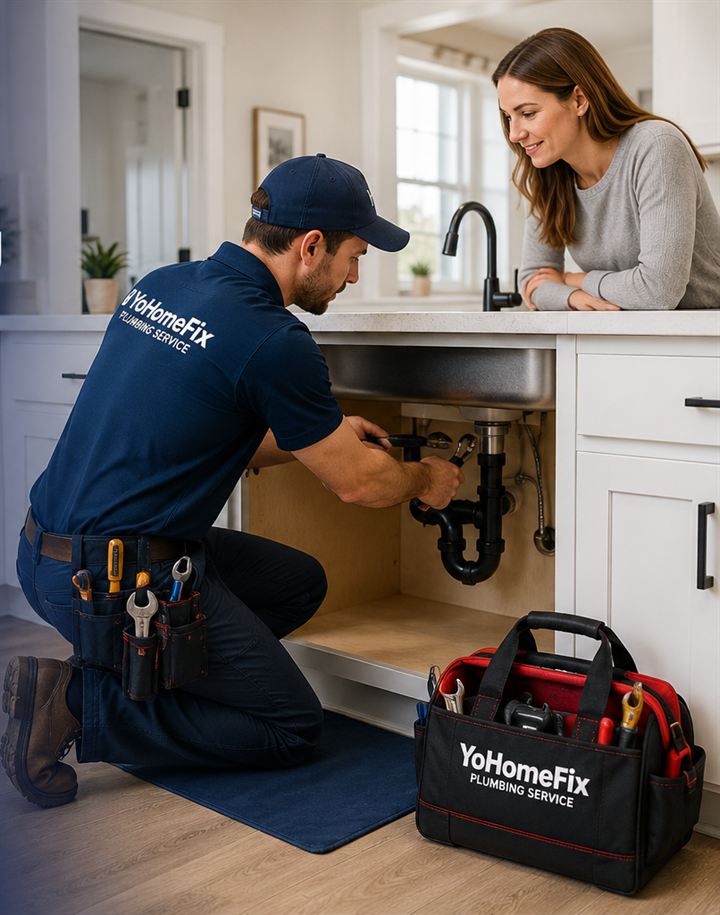
Plumbing Conditions in Cincinnati
Cincinnati's historic Over-The-Rhine neighborhood — one of the largest intact 19th-century urban neighborhoods in the United States — contains hundreds of buildings whose plumbing predates the widespread adoption of copper pipe, relying instead on galvanized steel supply lines that have been corroding from the inside since their installation in the late 1800s and early 1900s.
A plumbing emergency in Cincinnati doesn't wait for business hours — and neither do we. Whole-house repiping replaces deteriorating interior supply piping when repeated spot repairs no longer offer a dependable solution. The aging infrastructure in Cincinnati — with the local pipe material from the local pipe era — makes a full-system assessment especially useful when repairs are recurring. With winter lows averaging 27°F, replacement planning also prioritizes protecting vulnerable runs in unconditioned spaces.
Cincinnati Residents: Your Whole-House Repiping Options Explained
Our Cincinnati repiping assessments distinguish between an isolated repair, targeted reroute, and full replacement. We review the existing the local pipe material, pipe era (the local pipe era), access paths, fixture count, and the documented pattern behind the local dominant failure before recommending a scope. Every OH service call involves a vetted professional — licensed, bonded, and insured for your protection.
- ✓Whole-home pipe condition assessment
- ✓PEX and copper material comparisons
- ✓Targeted reroutes and branch replacement
- ✓Pressure testing and fixture-flow checks
- ✓Written access and restoration planning
- ✓Final system testing after installation
Local Plumbing Conditions in Cincinnati
Whole-house repiping in Cincinnati is most often recommended for homes with the local pipe material from the local pipe era when recurring failures show the system is at end of life. The local soil type and the local sewer system also guide whether repiping or targeted rerouting is the better investment.
Mineral Content, Climate, and Pipe Risk in Cincinnati
The water supplied to Cincinnati by the local water utility measures about 149 mg/L — classified as moderately hard. Moderately hard water deposits scale slowly and is usually manageable with routine maintenance. When repiping a home, this chemistry helps determine which replacement materials will last longest with the local soil type and the local pipe material from the local pipe era.
- ✓Most residential plumbing was installed during the local pipe era
- ✓Common pipe materials include the local pipe material
- ✓Sewer system: the local sewer system
- ✓Infrastructure is generally older and may require more frequent maintenance
- ✓We serve all Cincinnati zip codes including 45202, 45203, 45206, 45211, and surrounding areas.
The Standard We Hold Ourselves To in Cincinnati
A repipe is a planned infrastructure project, not a generic repair. We use the home's verified pipe condition and access constraints to explain the trade-off between continued repairs and replacement, with a written scope before work begins.
- ✓Assessment of the local pipe material from the local pipe era
- ✓Routing approach matched to the home's accessible areas
- ✓Clear water-interruption schedule
- ✓Upfront written pricing and scope
- ✓Final pressure and leak testing
- ✓Warranty information for installed work
Our Cincinnati Process — Fast, Transparent, Reliable
Whole-house repiping in Cincinnati begins with diagnosis, not assumptions. After documenting the system condition, we map replacement routes, explain material options, confirm access requirements, and coordinate the work sequence so the home is returned to service safely.
- ✓Inspect accessible piping and prior repair areas
- ✓Review pressure, flow, and failure history
- ✓Select material and routing plan
- ✓Isolate water and install replacement lines
- ✓Test each connection and fixture
- ✓Review restoration and maintenance steps
Pipe System Monitoring Tips for Cincinnati Homeowners
Knowing when your piping is approaching end of life helps you plan a repipe before emergencies force it.
Leak Repair in Cincinnati
Multiple leaks or discolored water? Whole-house repiping eliminates recurring pipe failures for good.
Learn more →Water Line Repair in Cincinnati
Aging supply lines causing low pressure? We replace main water lines as part of a full repipe.
Learn more →Whole-House Repiping Help Available Now in Cincinnati
Live operator — no hold music — 60-min response target
Get a Free Quote in Cincinnati
Select your service — a live operator will help you in seconds
No obligation. Upfront pricing before any work begins.
All Plumbing Services in Cincinnati
What Does Whole-House Repiping Cost?
These ranges are educational estimates for whole-house repiping. Your actual quote in Cincinnati depends on home size, number of fixtures, pipe material, access, wall restoration, and permit requirements. You receive a written scope and upfront quote before work begins.
| Service | Typical Range |
|---|---|
| Repiping assessment and pressure testing | $150 – $400 |
| Targeted pipe reroute | $1,500 – $4,000 |
| Two-bathroom home repipe | $4,000 – $9,000 |
| Larger or multi-story home repipe | $8,000 – $18,000 |
| Drywall access and restoration coordination | $500 – $3,000 |
* Ranges are national estimates for informational purposes only. Actual costs vary by location, scope, and materials. Your technician provides a written upfront quote before any work begins.
Frequently Asked Questions — Whole-House Repiping in Cincinnati
What pipe materials are used for a whole-house repipe in Cincinnati?
▼
PEX and copper are common residential repiping materials.
The right option depends on the existing system, local code requirements, routing access, water conditions, and your project goals. A technician can explain the trade-offs for your home.
How long does whole-house repiping take in Cincinnati?
▼
A typical home repipe often takes several days, though timing depends on home size, fixture count, access, pipe routing, inspection requirements, and restoration scope.
Before work begins, you receive a project plan that identifies expected water interruptions.
How do I know whether my Cincinnati home needs whole-house repiping?
▼
Repeated pinhole leaks, rust-colored water, declining pressure at multiple fixtures, and repairs occurring on several pipe runs can indicate that replacing isolated sections is no longer the durable option.
A repiping assessment maps the condition of the accessible system before a recommendation is made.
Is repiping better than repairing another leak in Cincinnati?
▼
It depends on the age, material, and pattern of failures in your plumbing.
A single accessible leak often merits repair; repeated failures across aging lines can make repiping the more predictable long-term scope. We explain both options in writing.
Does homeowners insurance cover repiping in Cincinnati?
▼
Coverage depends on the policy and cause of loss.
Sudden damage may be treated differently from gradual wear or pre-existing corrosion. We provide a documented scope and invoice that you can review with your insurer.
Can you repipe only part of my Cincinnati home?
▼
Yes.
A targeted reroute or branch replacement may be appropriate when the rest of the plumbing is sound. The recommendation should be based on failure history, material condition, pressure testing, and access rather than a one-size-fits-all approach.
Will a repipe require opening walls in my Cincinnati home?
▼
Some access openings are often necessary, but routing can sometimes reduce the amount of finished-surface disruption.
The required openings depend on the home's layout and existing pipe paths. The assessment should document access and restoration responsibilities before work starts.
Can repiping improve water pressure in Cincinnati homes?
▼
It can when restricted or corroded interior piping is the source of low flow.
A pressure and fixture-flow evaluation should first rule out a closed valve, failing regulator, aerator buildup, or utility-side issue before repiping is recommended.
Also Serving Nearby Cities
YoHomeFix provides licensed plumbers across the wider OH region. Select a nearby city for local service details.
Louisville, KY
Cleveland, OH
Indianapolis, IN
Looking for plumbers across OH? View all OH emergency plumbers and services
See all Whole-House Repiping providers across OH: Whole-House Repiping in OH — city-by-city directory
Why Homeowners Choose Us
What sets YoHomeFix apart.
Fast Response
When you call, a live operator sends the nearest available plumber — no hold queues, no callbacks.
Verified Professionals
Every plumber holds a valid state license and carries liability insurance. Credentials are verified before any plumber begins working with us.
Planned Repiping
Full-system assessment distinguishes between spot repair and whole-house replacement. Written scope provided before work begins.
Local Knowledge
Your call goes to a plumber who works in your area and understands local infrastructure, codes, and water conditions.
⚠️Warning Signs You May Need Whole-House Repiping in Cincinnati
Repiping is a major project, but it becomes necessary when aging pipes fail repeatedly. Homes in Cincinnati built during the local pipe era commonly have the local pipe material, which has a known service life and may need full replacement. Watch for:
- Frequent leaks at multiple locations throughout the home
- Discolored or rusty water from taps, especially first thing in the morning
- Low or inconsistent water pressure across multiple fixtures
- Water stains on walls, ceilings, or floors appearing in different areas
- A metallic taste or odor in the water
- Visible corrosion, green patina, or mineral buildup on exposed pipes
- Pinhole leaks recurring in copper pipes
- Your home still has original pipes from the local pipe era and has never been repiped
📞When to Call for Whole-House Repiping in Cincinnati
Call a licensed plumber in Cincinnati to discuss repiping when:
- You have had two or more pipe leaks in the past year
- Water is discolored or has a metallic taste
- Water pressure is consistently low throughout the house
- Your home has the local pipe material from the local pipe era and you are planning a renovation
- You notice pinhole leaks in copper pipes — these indicate systemic corrosion
- You are experiencing recurring slab leaks
- An inspection has revealed extensive pipe corrosion or degradation
- You want to upgrade to PEX or copper for long-term reliability
🛡️Immediate Steps While Considering Repiping in Cincinnati
If you are experiencing recurring pipe problems in your Cincinnati home:
- Monitor for new leaks and address them immediately
- Know where your main shutoff valve is and test it regularly
- Check exposed pipes in the basement or crawl space for signs of corrosion
- If a leak occurs, shut the nearest valve or the main shutoff
- Take photos of any visible pipe damage for the plumber's assessment
- Do not ignore small leaks — they indicate systemic pipe failure
- Keep a record of leak locations and dates — this helps the plumber assess the scope
- Consider a water meter test to check for hidden leaks
🚫Why Whole-House Repiping Is Not a DIY Project in Cincinnati
Repiping a home requires permits, specialized tools, and professional expertise. In Cincinnati:
- Repiping requires a plumbing permit in OH
- Improper pipe sizing can cause pressure imbalances and fixture damage
- Incorrect joining methods for PEX or copper can lead to hidden leaks
- Working in wall cavities requires knowledge of electrical line locations
- The main water line must be properly shut and reconnected
- Post-repiping pressure testing and inspection are required by code
- Improper repiping can reduce water pressure or cause cross-connections
🔧What Happens During a Whole-House Repiping Project in Cincinnati
A repiping project in Cincinnati is a multi-day process that follows a structured plan:
- The plumber assesses the home's layout, pipe runs, and access points
- A written quote is provided with the pipe material recommendation (PEX or copper)
- Permits are pulled and the project is scheduled
- Water is shut off and the old pipes are removed or abandoned
- New pipes are routed through walls, ceilings, and crawl spaces
- Connections are made at all fixtures, the water heater, and the main line
- The system is pressure-tested and inspected by the local authority
- Walls and access points are documented for drywall restoration
⏱️Typical Timeline for Whole-House Repiping in Cincinnati
Repiping timelines in Cincinnati depend on the home size and pipe accessibility:
- Assessment and quoting takes 1 to 2 hours on-site
- Permit processing in OH takes 1 to 5 days
- A typical 2-bathroom home repipe takes 2 to 4 days
- Larger homes or complex layouts may take 5 to 7 days
- Pressure testing and inspection add 1 day
- Drywall patching and restoration typically takes 2 to 4 days after plumbing is complete
💰What Affects the Cost of Whole-House Repiping in Cincinnati
Repiping costs in Cincinnati depend on the home size, pipe material, and access conditions:
- Home size — number of bathrooms, fixtures, and total pipe length needed
- Pipe material — PEX is generally less expensive than copper
- Number of stories — multi-story homes require more labor and access work
- Access difficulty — finished basements, cathedral ceilings, or tile walls add time
- Whether the water heater connection needs to be upgraded
- Permit and inspection requirements in OH
- Drywall and finish restoration after the repipe is complete
- Whether the yard or main line also needs replacement
✅Maintaining New Pipes After Repiping in Cincinnati
After repiping your Cincinnati home, these steps will protect your investment:
- If you chose PEX, no special maintenance is needed — it is resistant to scale and corrosion
- If you chose copper, monitor for pinhole leaks, especially if water is aggressive
- Install a whole-house water filter to protect new pipes from sediment
- Maintain water pressure below 80 psi — install a regulator if needed
- If you have a water softener, keep it maintained to protect new pipes
- Schedule a plumbing inspection 1 year after repiping to verify all connections
- Keep documentation of the repipe for future home sale or insurance purposes
- Address any small leaks immediately — even new systems can have a fitting issue
Helpful Plumbing Guides for Cincinnati
Planning ahead? Read the national plumbing cost guide to understand typical pricing before you call.
Related Pages
Cincinnati overview
More in OH
Other services in Cincinnati
Same service in nearby cities
Popular Service Areas
✓ Editorial Review
This city page was reviewed by the YoHomeFix editorial team. Last updated: .
Sources referenced: 6 authoritative organizations. See Sources & Methodology.
Sources
This page is based on information from the following authoritative organizations. For localized data, we also reference municipal water utilities and state licensing boards.
See our full Sources & Methodology for methodology and additional references.
Local data for Cincinnati, OH is synthesized from public records where available.
Areas We Serve in Cincinnati
28 ZIP Code areas in Cincinnati, OH. Select your ZIP for local plumbing service.
Review Process
Content is reviewed against current plumbing industry standards and local infrastructure data. Service pages are built from verified municipal water utility, geological, and climate data.Read our editorial standards.
Accuracy & Disclosures
Local data is sourced from verified municipal and geological records. Pricing shown is for educational purposes only; your technician provides a written upfront quote before any work begins. YoHomeFix provides plumbing services across the United States.
Content is researched from authoritative public sources and reviewed for accuracy. Pricing and availability are confirmed by the technician on site.
Review history
- Published review and accuracy check — YoHomeFix Editorial Team
Ready for Fast, Reliable Help in Cincinnati?
Licensed plumbers available right now. Upfront pricing before any work begins.
📞 (844) 934-4386Click HereSame-day and 24/7 emergency services are subject to provider participation, location, technician availability, and demand. Availability is not guaranteed and may vary by market and appointment capacity.