Emergency Plumber in Denver, MO
Licensed plumber on the way fast. We aim for 60-minute response. Upfront pricing before any work begins.
Serving homeowners across the USA with ZIP code–based local plumber matching.
📞 (844) 934-4386Click HereTap to call — answered by a live operator, 24/7
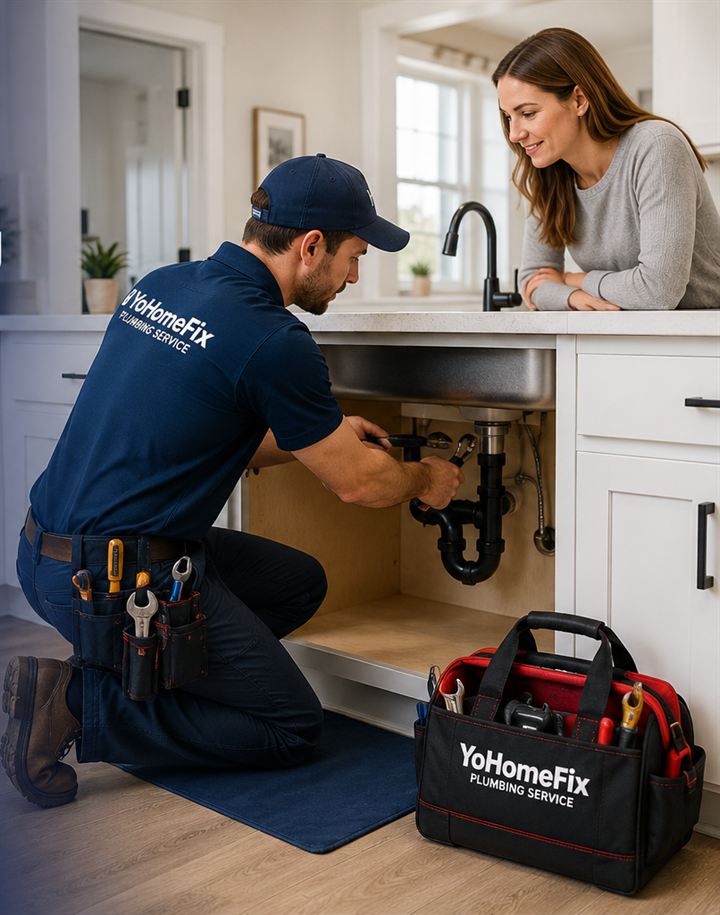
Plumbing Conditions in Denver
Denver's Mile High elevation creates a plumbing environment unlike most US cities: water boils at 202°F instead of 212°F, which affects water heater thermostat calibration and means that sediment settles differently in tank units.
Located in the central region, a compact community of under 0.4 square miles, near Allendale Mo, Worth Mo, Gentry Mo and other surrounding communities. For Denver residents dealing with an urgent plumbing problem, speed and reliability are everything. With average winter lows reaching 20°F, Denver faces real frozen and burst pipe risk each year. Homes with uninsulated crawl spaces, exterior walls, or older local pipe material from the local pipe era are especially vulnerable. The local soil type further stresses buried supply lines as ground frost penetrates during cold snaps. The most commonly diagnosed plumbing issue in Denver is the local dominant failure. Emergency plumbers in Denver triage and prioritize calls with this pattern in mind. Speed matters in a Denver plumbing emergency — we work to have someone at your door as fast as possible. Before touching anything, your technician provides a complete cost estimate for your review and approval.
How We Handle Emergency Plumbing Calls in Denver
Emergency plumbing in Denver means immediate response from a team prepared for any crisis. Whether it's a burst pipe flooding your home, a sewer backup, or a failed water heater, our plumbers arrive with stocked service vehicles ready to complete most repairs on the first visit. All plumbers serving MO are fully licensed, insured, and background-checked.
- ✓Burst and frozen pipe repair
- ✓Sewer line backups and overflows
- ✓Gas line leak response
- ✓Water heater emergencies
- ✓Sump pump failures
- ✓Toilet overflow and sewage backup
The Infrastructure Reality for Denver Homeowners
The most common emergency call in Denver is the local dominant failure. The local sewer system and the local pipe material from the local pipe era must handle the volume when failures escalate, especially where the underlying local soil type is already shifting or saturated.
Local Water Chemistry and Pipe Health in Denver
Water delivered to Denver by the local water utility measures about 71 mg/L — classified as soft. Soft water leaves little protective scale inside pipes, which can make copper and galvanized steel mildly corrosive over time. In an emergency, this chemistry can accelerate pipe and fixture failure, especially in homes with the local pipe material from the local pipe era. The local soil type underneath also moves seasonally, adding stress to buried supply and drain lines.
- ✓Most residential plumbing was installed during the local pipe era
- ✓Common pipe materials include the local pipe material
- ✓Sewer system: the local sewer system
- ✓Infrastructure is generally a mix of older and newer systems
- ✓We serve all Denver zip codes including 80202, 80203, 80209, 80220, and surrounding areas.
Our Commitment to Denver Residents
All plumbers serving MO are fully licensed, insured, and background-checked. Before touching anything, your technician provides a complete cost estimate for your review and approval. Speed matters in a Denver plumbing emergency — we work to have someone at your door as fast as possible.
- ✓Licensed and insured in MO
- ✓Upfront pricing — no hidden charges
- ✓Fast response — we aim for under 60 minutes
- ✓Fully stocked service vehicles
- ✓Available 24/7 including weekends and holidays
- ✓Clear communication from call to completion
Denver Service: How It Works Start to Finish
Getting help in Denver is straightforward: call, describe the issue, and a plumber is on the way immediately.
- ✓Call our 24/7 emergency line
- ✓Operator confirms your location and issue
- ✓Nearest licensed plumber sent immediately
- ✓Plumber provides upfront quote on arrival
- ✓Repair completed — area left clean
- ✓Follow-up available if any concerns arise
Emergency Preparedness Tips for Denver Homeowners
Locate your main water shutoff valve and test it annually. Keep a flashlight near the valve in case you need it at night.
Emergency Drain Service in Denver
Clogged drain or sewer backup? Our drain service technicians clear blockages fast with hydro-jetting and camera inspection.
Learn more →Water Heater Repair in Denver
No hot water? We repair and replace tank and tankless water heaters same day across the metro.
Learn more →Emergency Plumbing Help Available Now in Denver
Live operator — no hold music — 60-min response target
Get a Free Quote in Denver
Select your service — a live operator will help you in seconds
No obligation. Upfront pricing before any work begins.
All Plumbing Services in Denver
What Does Emergency Plumbing Cost?
These ranges are educational estimates based on typical national service costs. Your actual quote in Denver may differ based on the specific problem, materials required, and job scope. You always receive a written upfront quote before work begins.
| Service | Typical Range |
|---|---|
| After-hours diagnostic visit | $75 – $150 |
| Frozen pipe thaw and assessment | $150 – $350 |
| Burst pipe section repair | $200 – $600 |
| Sewer backup clearing | $150 – $400 |
| Emergency shutoff valve replacement | $100 – $250 |
* Ranges are national estimates for informational purposes only. Actual costs vary by location, scope, and materials. Your technician provides a written upfront quote before any work begins.
Frequently Asked Questions — Emergency Plumbing in Denver
What should I do while waiting for the emergency plumber in Denver?
▼
If you have an active water leak, locate and shut your main water supply valve.
For gas concerns, leave the building and call from outside. Our operator will walk you through any immediate safety steps.
Will a real plumber answer if I call at 3 AM from Denver?
▼
Yes.
Our line is staffed 24 hours a day, 7 days a week. A live operator — not an answering machine — takes your call and sends a plumber immediately.
How do I know the plumber sent to my Denver home is trustworthy?
▼
Every plumber we send to Denver is licensed, insured, and background-checked.
You're welcome to request license number verification when they arrive.
Do you serve as a local emergency plumber throughout Denver?
▼
Yes.
Our plumbers are local to Denver and familiar with the area's plumbing infrastructure and common issues. We serve from within the region to provide fast response times for local emergency plumbing needs across all Denver neighborhoods.
What makes you a 24 hour plumber in Denver?
▼
We maintain live operator and plumber availability 24 hours a day.
Whether it's 3 AM on a Tuesday or midnight on a Sunday, our emergency plumber team in Denver is ready to respond to your call with fully stocked service vehicles and licensed plumbers.
Can I find an emergency plumber near me in Denver at any time?
▼
Yes.
Our 24/7 service serves Denver around the clock — nights, weekends, and holidays included. When you search for an emergency plumber near me, our local team is available to respond to your urgent plumbing needs with licensed plumbers familiar with Denver neighborhoods.
What local plumbing conditions should I know about in Denver?
▼
Water chemistry (water hardness around the local water hardness), average winter lows near 20°F, and the local soil type all influence which plumbing failures are most likely in Denver.
Soft water can be mildly corrosive to metal pipes and may contribute to pinhole leaks. Freeze-prone winters increase burst-pipe risk for exposed and uninsulated plumbing. Your technician can explain how these conditions apply to your specific home.
What should I keep in a plumbing emergency kit for my Denver home?
▼
Every Denver home should have: a water meter key to shut off water at the street, plumber's tape, a few adjustable wrenches, old towels and a bucket, and a printed list of shutoff valve locations.
Most importantly, know where your main water shutoff is and test it once a year — a seized valve is useless in an emergency.
Also Serving Nearby Cities
YoHomeFix provides licensed plumbers across the wider MO region. Select a nearby city for local service details.
Allendale, MO
Worth, MO
Gentry, MO
Grant City, MO
Irena, MO
Albany, MO
New Hampton, MO
Darlington, MO
Looking for plumbers across MO? View all MO emergency plumbers and services
See all Emergency Plumbing providers across MO: Emergency Plumbing in MO — city-by-city directory
Why Homeowners Choose Us
What sets YoHomeFix apart.
Fast Response
When you call, a live operator sends the nearest available plumber — no hold queues, no callbacks.
Verified Professionals
Every plumber holds a valid state license and carries liability insurance. Credentials are verified before any plumber begins working with us.
Full Emergency Scope
Burst pipes, sewer backups, gas-line emergencies, and no-water situations — we handle the full range of urgent plumbing calls.
Local Knowledge
Your call goes to a plumber who works in your area and understands local infrastructure, codes, and water conditions.
⚠️Warning Signs of a Plumbing Emergency in Denver
In Denver, the most frequently diagnosed plumbing issue is the local dominant failure. Local water hardness runs about the local water hardness. These warning signs mean you should call for emergency help rather than wait:
- Water is spreading and cannot be contained with towels or buckets
- Sewage is backing up into sinks, tubs, or floor drains
- A pipe has visibly burst or is spraying water
- There is no water anywhere in the home and no utility outage is reported
- You smell gas near a water heater, stove, or fireplace
- Your water heater is leaking onto flooring or into walls
- Multiple drains back up at the same time
- Water stains on ceilings or walls are spreading quickly
- Outdoor hose bibs or crawl-space pipes in Denver showing ice or frost when temperatures drop near 20°F
📞When to Call an Emergency Plumber in Denver
Call right away when the situation is actively damaging your home, threatens safety, or cannot be stopped at a fixture shutoff. In Denver, this is especially urgent when the local dominant failure is involved:
- Water is running and you cannot locate or turn the main shutoff
- A fixture shutoff valve is seized and the leak continues
- Sewage enters living areas or the yard is saturated with waste water
- You have no hot water during freezing weather
- You smell gas or suspect a gas line leak
- A water heater tank is leaking or the TPR valve is discharging continuously
- Multiple fixtures back up when you flush or run water
- You hear water running when all taps are off
- Water pressure in Denver drops or stops after a cold snap, which may indicate a frozen or burst pipe
🛡️Immediate Safety Steps Before the Plumber Arrives in Denver
While you wait for a licensed plumber, the first priority is limiting damage and keeping everyone safe. These steps apply to Denver MO homes:
- Shut the main water valve, usually near the street or where the line enters the home
- If you smell gas, leave the building and call from outside — do not operate switches
- Turn off electricity to flooded areas at the breaker panel only if it is safe to reach
- Open faucets to drain remaining water from the lines and relieve pressure
- Move valuables, rugs, and electronics away from standing water
- Avoid using sinks, tubs, or toilets if a backup is suspected
- Locate your water meter so the plumber can verify the shutoff is complete
- Take photos of the damage for insurance documentation
🚫What Not to Do Yourself in a Denver Plumbing Emergency
Some repairs look simple but create bigger risks in older Denver homes with the local pipe material. Do not attempt:
- Opening a main sewer cleanout or drain line while water is under pressure
- Repairing or capping a gas line yourself
- Wrapping or patching a pressurized pipe and calling it done
- Working on the gas control valve, pilot light, or electrical connections of a water heater
- Using open flames, heat guns, or chemicals to thaw a frozen pipe
- Delaying the call while water approaches electrical outlets or appliances
🔧What Happens During an Emergency Plumbing Visit in Denver
A licensed emergency plumber in Denver follows a structured process designed to stop damage first and then resolve the cause:
- Arrive and verify the home is safe before beginning work
- Locate and stop the water source, including the main or fixture shutoff
- Diagnose the root cause using appropriate inspection tools
- Explain the findings and provide a written upfront quote
- Perform the approved repair with city-appropriate materials and methods
- Test the system and clean the work area before leaving
- Document the repair and provide any warranty or care instructions
⏱️Typical Timeline for an Emergency Repair in Denver
Emergency response in Denver is designed to move quickly, though exact timing depends on the problem and time of day:
- Live operator answers your call 24/7 and dispatches a plumber
- Plumber is routed to your Denver address with a target under 60 minutes
- On-site diagnosis typically takes 15 to 45 minutes
- Written quote is provided before any repair work begins
- Repair time ranges from 30 minutes for simple shutoffs to several hours for larger failures
- Final testing, cleanup, and documentation complete the visit
💰What Affects the Cost of an Emergency Plumber in Denver
The final cost of an emergency plumbing visit in Denver depends on several factors, not just the time of the call:
- Severity and type of failure — a shutoff replacement is simpler than a burst wall pipe
- Pipe material and era in your home, such as the local pipe material from the local pipe era
- Access difficulty — leaks behind walls, under slabs, or in crawl spaces take longer
- Extent of water damage and whether extraction or drying is needed
- Parts required and whether they must be sourced after hours
- Permit or utility coordination if the repair involves the main service line
✅Preventing Plumbing Emergencies in Denver
Most emergency calls in Denver can be reduced with routine awareness. Local water from the local water utility is about the local water hardness, and the local dominant failure is the most common issue. Given Denver's high freeze risk, pay special attention to outdoor hose bibs and pipes in unheated crawl spaces or garages.
- Test the main shutoff valve once a year so it turns freely in a crisis
- Know the location of your water meter and how to shut water off at the street
- Insulate exposed pipes before cold weather, especially in unheated spaces
- Drain and protect outdoor hose bibs before winter
- Flush your water heater annually to manage sediment and scale
- Use drain strainers and avoid pouring grease down kitchen sinks
- Schedule a plumbing inspection every 1–2 years, or annually for homes built in the local pipe era
- Address early signs of the local dominant failure before they escalate
Helpful Plumbing Guides for Denver
Planning ahead? Read the national plumbing cost guide to understand typical pricing before you call.
Related Pages
More in MO
Other services in Denver
Same service in nearby cities
Popular Service Areas
✓ Editorial Review
This city page was reviewed by the YoHomeFix editorial team. Last updated: .
Sources referenced: 6 authoritative organizations. See Sources & Methodology.
Sources
This page is based on information from the following authoritative organizations. For localized data, we also reference municipal water utilities and state licensing boards.
See our full Sources & Methodology for methodology and additional references.
Local data for Denver, MO is synthesized from public records where available.
Areas We Serve in Denver
1 ZIP Code areas in Denver, MO. Select your ZIP for local plumbing service.
Review Process
Content is reviewed against current plumbing industry standards and local infrastructure data. Service pages are built from verified municipal water utility, geological, and climate data.Read our editorial standards.
Accuracy & Disclosures
Local data is sourced from verified municipal and geological records. Pricing shown is for educational purposes only; your technician provides a written upfront quote before any work begins. YoHomeFix provides plumbing services across the United States.
Content is researched from authoritative public sources and reviewed for accuracy. Pricing and availability are confirmed by the technician on site.
Review history
- Published review and accuracy check — YoHomeFix Editorial Team
Ready for Fast, Reliable Help in Denver?
Licensed plumbers available right now. Upfront pricing before any work begins.
📞 (844) 934-4386Click HereSame-day and 24/7 emergency services are subject to provider participation, location, technician availability, and demand. Availability is not guaranteed and may vary by market and appointment capacity.